AI certifications from NVIDIA, AWS, and Microsoft Azure are becoming increasingly valuable for professionals who want to stay relevant in the rapidly evolving technology landscape. But for many working professionals, the biggest challenge is not the difficulty of the exams—it’s finding the time and structure to actually prepare for them.
In this guide, I’ll break down a practical, time-efficient strategy that helped me pass multiple AI certifications while managing a demanding schedule. The same approach can work whether you are in engineering, cloud, data, or IT operations.

1. Understand the “Why” Before You Start

Most people fail certification journeys not because they lack intelligence, but because they start without a clear objective.
Before touching any course material, define:
Why do you want this certification?
Is it for career transition, promotion, or skill validation?
Which certification aligns best with your role?
For example:
AWS AI certifications focus heavily on cloud-based AI services and architecture.
Azure AI certifications emphasize Microsoft ecosystem integration and applied AI services.
NVIDIA AI certifications are more focused on deep learning, GPU acceleration, and practical AI model deployment.
When you understand the “why,” you naturally prioritize what matters and ignore unnecessary content.
2. Accept That Time, Not Difficulty, Is the Real Challenge
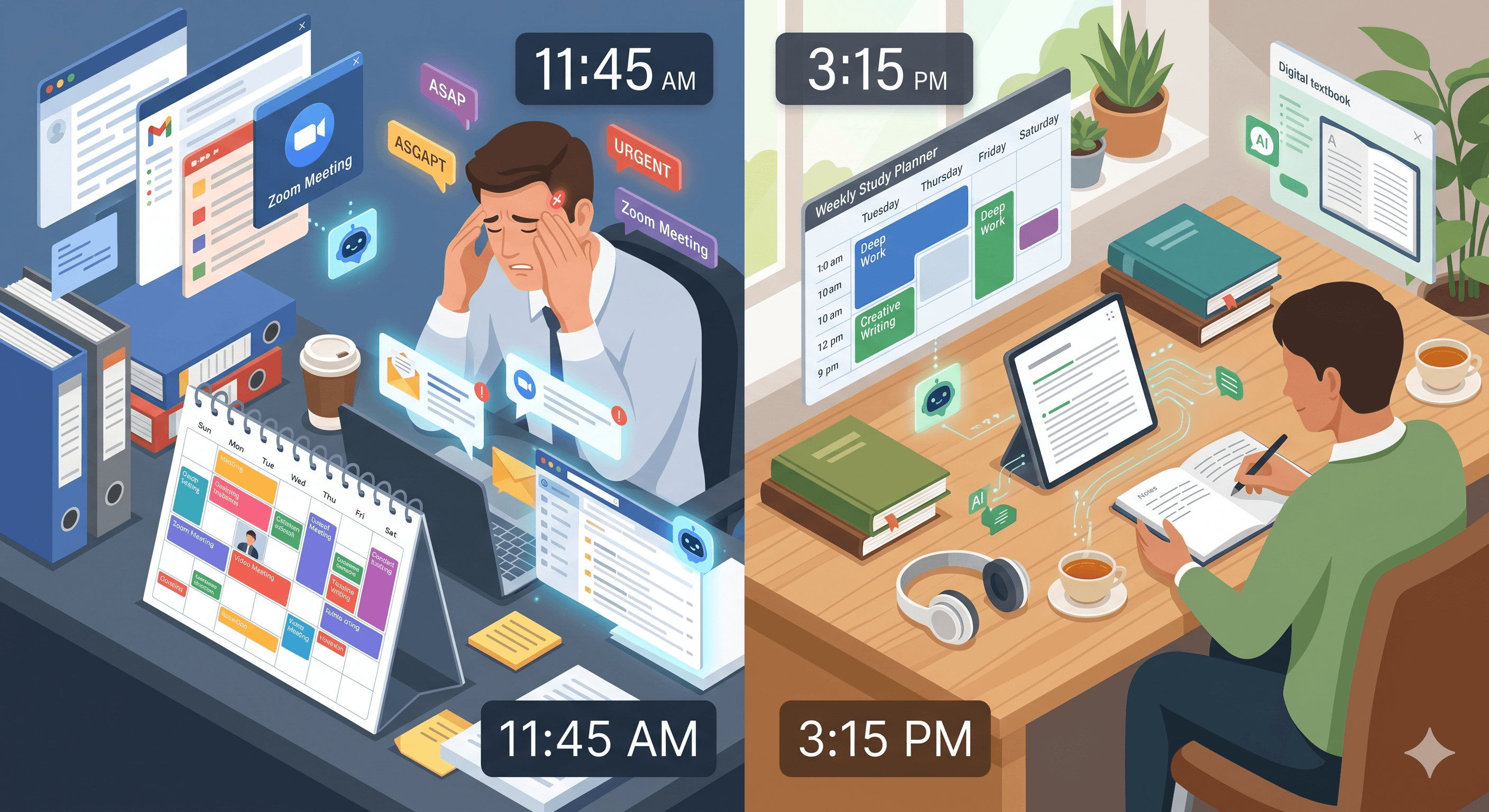
Most busy professionals underestimate how fragmented their learning time is.
You are not competing with students who study full-time—you are competing with your own calendar.
The solution is not “more hours.” It is structured micro-learning:
30–45 minutes before work (focused learning)
20–30 minutes during breaks (revision or flashcards)
1–2 hours on weekends (hands-on labs)
Consistency beats intensity. Even 1.5 hours a day is enough if used properly.
3. Use the 3-Layer Learning Strategy
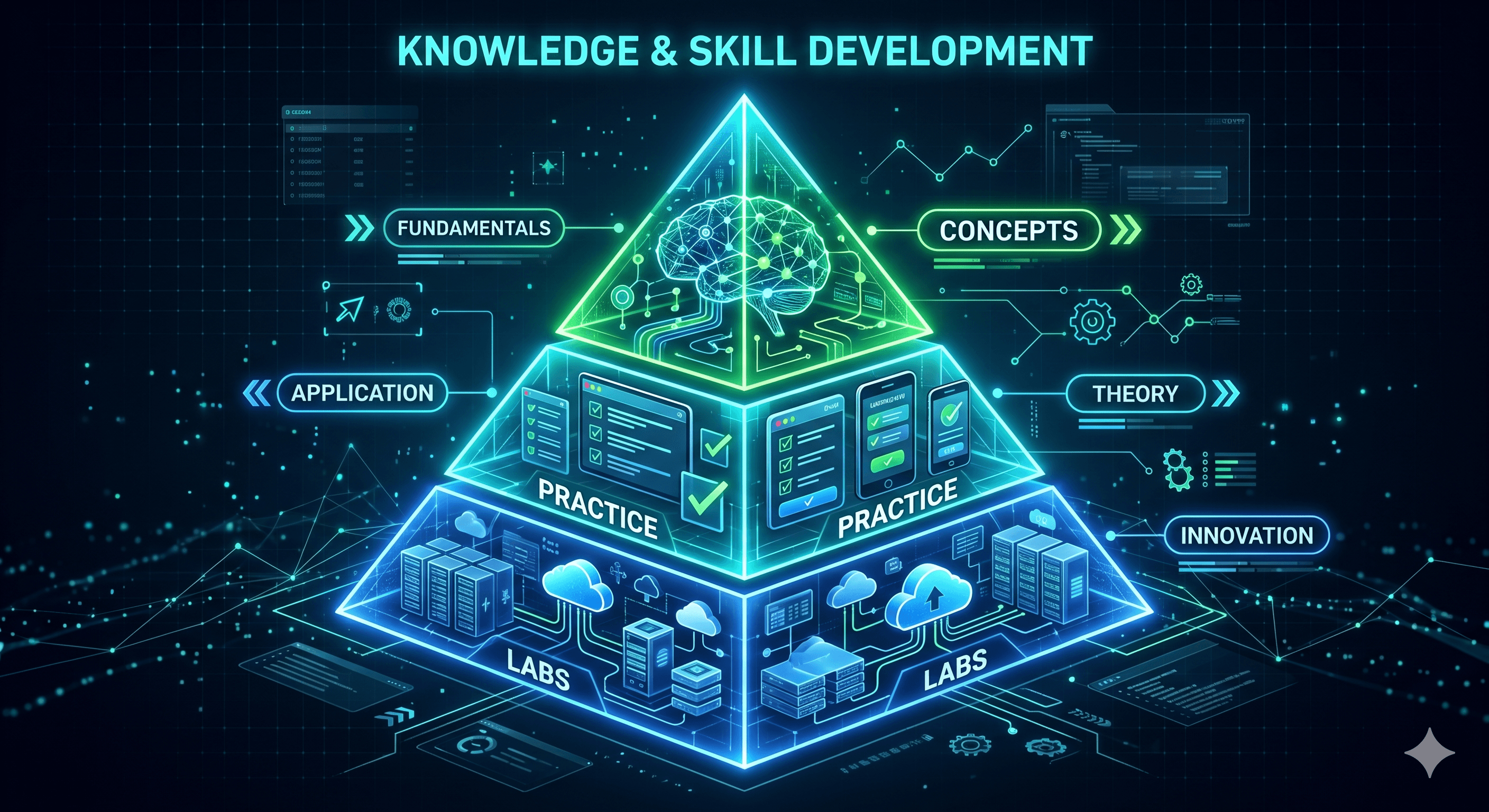
Instead of randomly consuming content, structure your preparation into three layers:
Layer 1: Concept Understanding (20%)
Start with official documentation or a structured course.
Focus on:
Core AI/ML concepts
Service definitions (SageMaker, Azure ML, NVIDIA frameworks, etc.)
Key terminology
Don’t go deep here—just build mental maps.
Layer 2: Exam-Oriented Learning (50%)
This is where most of your time should go.
Use:
Practice questions
Exam guides
Dumps (ethically and carefully)
Topic-based quizzes
Your goal is to understand:
What type of questions are asked
How scenarios are framed
Which services solve which problems
This is the “pattern recognition” phase.
Layer 3: Hands-On Labs (30%)
This is where most candidates fail—and where professionals stand out.
Even if you are busy, do minimal but consistent labs:
Deploy a simple ML model
Run inference pipelines
Use pre-built AI services
Experiment with APIs
Hands-on experience ensures you don’t just memorize—you understand.
4. Don’t Overconsume Content
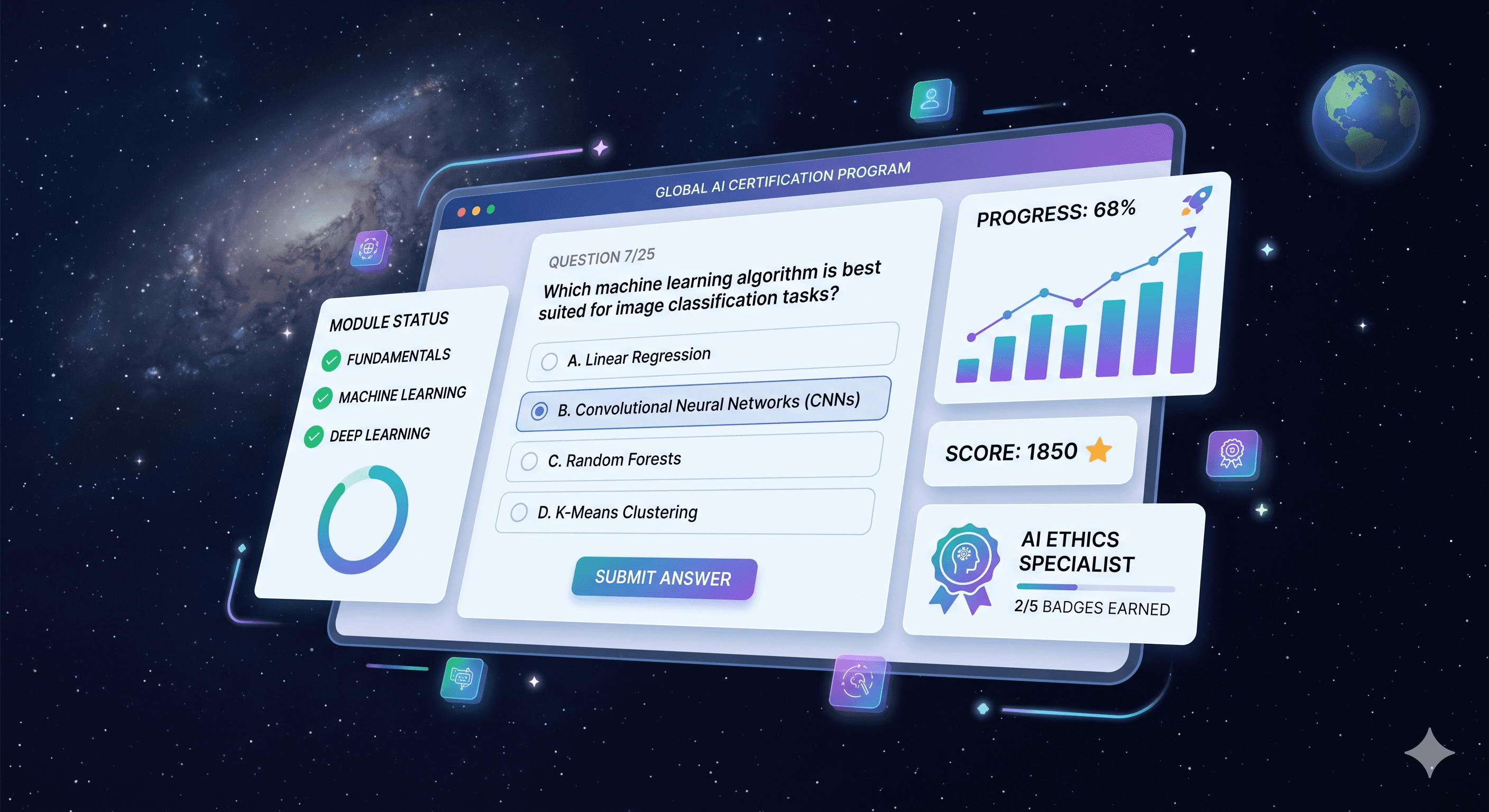
A common mistake is watching endless videos or buying multiple courses.
Instead:
Pick one primary course per certification
Stick to official documentation
Use one practice exam provider
Switching resources creates confusion and slows progress.
Remember: certification exams reward depth of understanding, not breadth of resources.
5. Build a “Revision Loop” System

Busy professionals forget content quickly because they don’t revise systematically.
Use a simple 3-step loop:
Learn a topic (e.g., AWS SageMaker)
Take 5–10 practice questions immediately
Revise the same topic after 3 days, then after 7 days
This spaced repetition method dramatically improves retention.
You can use:
Notion
Anki flashcards
Simple handwritten notes
Keep it lightweight. The system should not become another burden.
6. Simulate the Exam Early
Most people delay mock exams until the end. That’s a mistake.
Instead:
Take a diagnostic test in Week 1
Identify weak areas immediately
Track progress weekly
Mock exams help you:
Understand timing pressure
Recognize question patterns
Build confidence early
Aim for at least 3–5 full mock exams before the real test.
7. Use Your Job as a Learning Tool

If you are already working in IT, cloud, or networking, you are sitting on a goldmine of real-world context.
Map your daily work to certification topics:
Networking → cloud architecture questions
Monitoring → AI observability concepts
Automation → ML pipelines
Troubleshooting → model performance issues
This turns passive experience into active exam preparation.
8. Avoid Burnout With a Realistic Timeline
A realistic timeline for busy professionals:
AWS AI Certification: 4–6 weeks
Azure AI Certification: 4–6 weeks
NVIDIA AI Certification: 3–5 weeks
Do not rush all three at once unless your job demands it.
Focus on one certification at a time to maintain clarity and retention.
9. Final Week Strategy
The final week is not for learning new topics.
It is for:
Revision of weak areas
Mock exams daily
Reviewing flashcards
Rest and mental preparation
Avoid burnout. Many people fail not due to lack of knowledge, but due to fatigue and overconfidence.
Final Thoughts

Passing NVIDIA, AWS, and Azure AI certifications as a busy professional is absolutely achievable—but only if you approach it like an engineering problem, not a traditional study routine.
The key principles are:
Structure over effort
Consistency over intensity
Practice over theory
Focus over information overload
Once you build the system, certifications become predictable outcomes rather than stressful challenges.
If you’re starting your journey, don’t aim for perfection—aim for momentum. The rest will follow.